Home
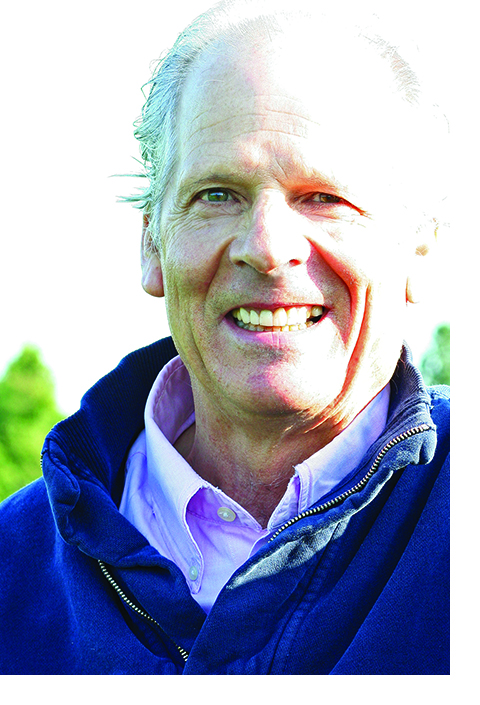
“My purpose,” Murray says, “in my speeches and books is to share smiles, wisdom and encouragement – to lift your life.
“Life seems to have a bounce-back. What I do for others (or don’t do), I do for myself. What I do for myself alone, I do for nobody. That little word ‘for’ can equally be replaced by ‘to.’ What I do to others – good or bad – I do to myself. Getting my eyes off myself and onto the needs of others was, for me, the key that opened the door out of the dark dungeon of depression. And keeps the door open.
“Here’s an acronym that helps me focus on what I try to say in my books and speeches. I hope it will also help you. It isn’t as simple as ABC, but it is as simple as CBA:
Clear the deck of guilt.
Begin now to enact your resolutions and decisions.
Act toward others as if you were the others.
“If you think I can help you, please contact me.”

Who would have imagined in 2010 Murray would:
- give speeches in elementary schools on Ways to Reduce Fear in Public Speaking?
- give speeches to high school students on Depression and Suicide?
- give a speech to The Toronto Public Library – Down with Depression?
- write and publish Smiles, Wisdom and Encouragement and If Only Sleep Would Last Forever: Help for Depression and Anxiety?
- be interviewed by renowned professor of biochemistry Alicja Zobel?
- be runner-up in Toastmasters International speech contest in Area 43 held in Peterborough?
Murray’s Favourite Quotation
(It’s by Anonymous, his favourite author):
Whatever be thy longing or thy need; – that do thou give;
So shall thy soul be fed, and thou indeed shalt truly live.
| Year | Location | Role | Title |
| 2010 | Toronto Public Library (Annette St.) | Guest Speaker, Mental Health Week | Down with Depression |
| St. Paul’s Elementary School, Norwood | Prep for Public Speaking Contest | Reduce Fear in Public Speaking | |
| Norwood High School | Guest Speaker | The Writing Process; Down with Depression | |
| 2011 | Toronto Public Library (Jane/Sheppard) | Speaking to Teens on Handling Fear | Putting the Brakes on Speech Anxiety |
| Havelock Baptist Church | Guest Speaker | How to Slow Down the Aging Process | |
| Buckhorn Community Care Diners Club | Guest Speaker | If Only Sleep Would Last Forever | |
| Peterborough Kiwanis Club | Guest Speaker | A New You for a New Year | |
| 2012 | Warkworth Community Service Club – Annual Meeting | Guest Speaker | Adam Had a Garden |
| Havelock Chamber of Commerce – Annual Meeting | Guest Speaker | Pills, Skills, or the Will? (Down with Depression) | |
| Adult Lunch Club: Norwood Pentecostal Church | Guest Speaker | If Only Sleep Would Last Forever | |
| 2013 | (Ontario) Community Health Centre, West Toronto | Guest Speaker | Down with Depression |
| Marc Garneau Collegiate Institute, Toronto | Guest Speaker | Pills, Skills, or the Will? (Down with Depression) | |
| Toast of the Town Toastmasters, Open House | Guest Speaker | Finding Serenity Avenue | |
| 2014 | Toastmasters International Area 75 Speech / Evaluation Contest, Toronto | Test Speaker | The Wheelbarrow |
| Keynote Speakers Club, General Hospital / UHN, Toronto | Target Speaker | The Wheelbarrow |
“The Wheelbarrow is an incredibly inspiring speech!!!“
– MICHAEL WILSON, Toastmasters International Speech and Evaluation Contest (March 2014), Toronto
Murray’s short story The Wheelbarrow has earned him both writing and speaking awards. All you need is 10 minutes on your agenda. (In his other 16 speeches, he uses humour and story-telling to share smiles, wisdom and encouragement.)
Book Him for Your Event!
Books by Murray C. Watson
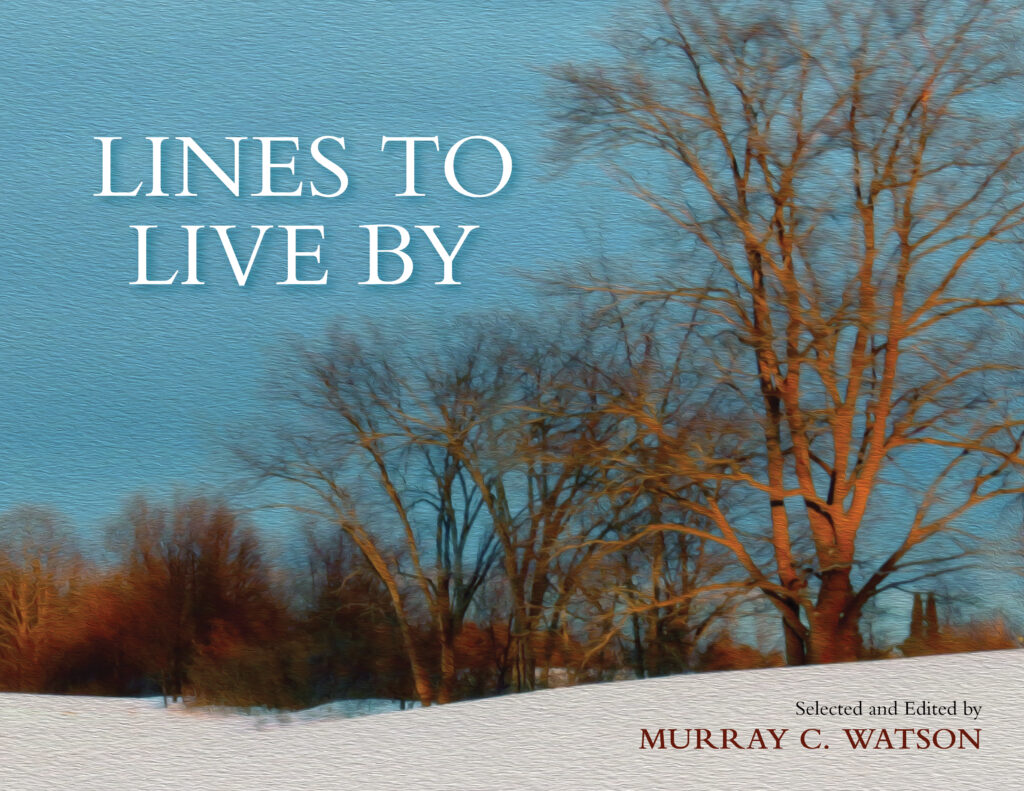
“These quotations and thoughts deserve time to ponder.”
– Lyn Draper, Peterborough
“Lines to Live By is really an excellent book.”
– Vanda Vujtovic, Hamilton
The question was, “What do I do with all the valuable quotations I had collected – make more table mats or a new book? No one needs seventy place mats, and in a book you have everything in one convenient place. Thus I decided on a book – but added a picture (usually coloured) to every page. Perhaps the best of both worlds. When I need a quick pick-me-up, Lines to Live By is one of the first books I reach for.”
– Murray C. Watson
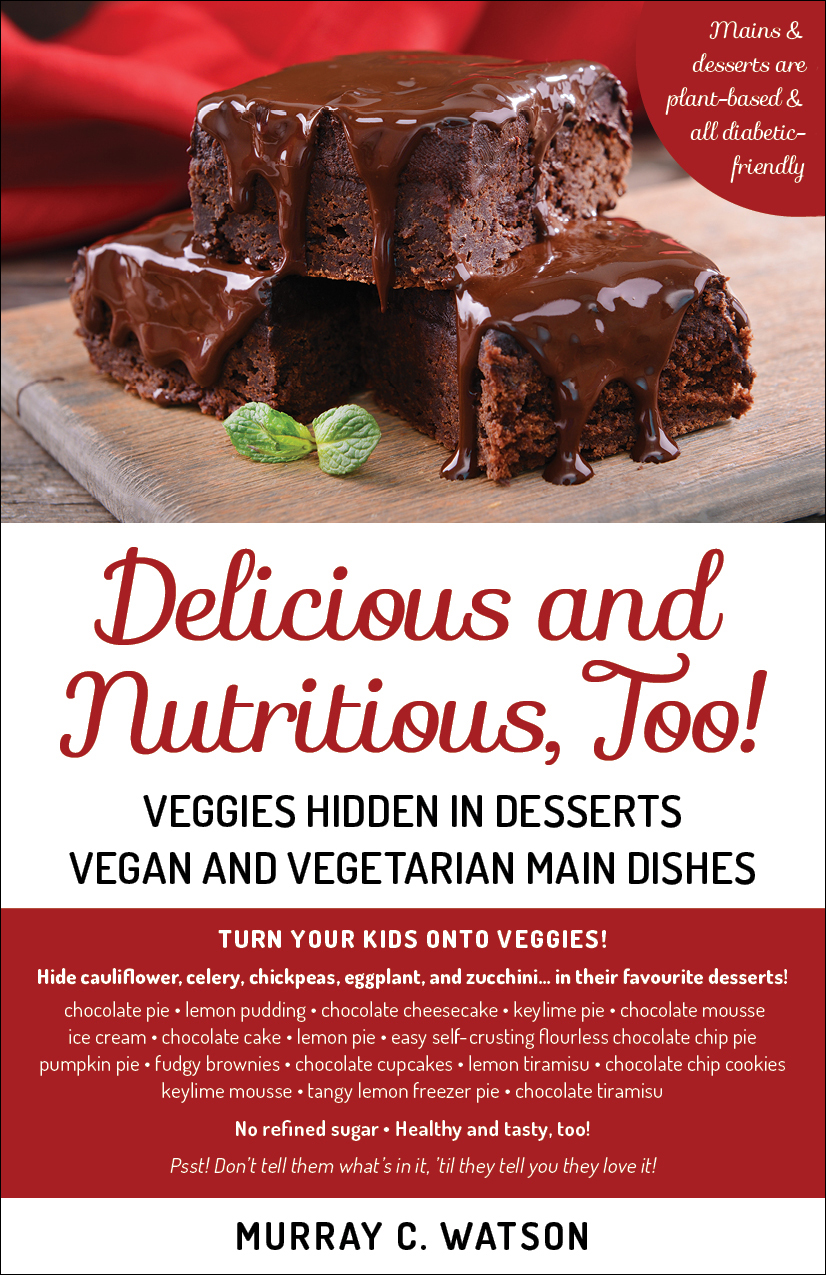
The desserts in this cookbook contain veggies, but you’d never know it! They’re all diabetic-friendly, healthy—and tasty too! Few are dairy. The author, who spent early weeks of life in SickKids Hospital with digestive issues, lists dairy options in the recipes, but uses homemade soy or almond milk himself. Homemade to avoid emulsifiers and stabilizers including guar gum… which can affect the bladder and at night can get you up, and slow the plumbing down.
The book also has vegetarian main dishes, many of them vegan. In Feb. 2017 he was diagnosed with plaque in his arteries. After dropping refined sugar and most saturated fat, ‘going veg,’ and hiding veggies in desserts—he went from 175 down to 145 pounds. And two years later, he’s holding steady. He says, “Yes, chocolate pie does taste good for breakfast! Now I eat what I like and I don’t gain weight. And, no, two years ago I wouldn’t knowingly have eaten zucchini — with a gun to my head!” But he learned that some plants, including cauliflower, celery, chickpeas, eggplant, zucchini, when part of a mixture, absorb flavours without giving their own flavour to the dish. He’s often asked how he gets enough protein. The answer includes legumes, lentils, nutritional yeast, tofu and TVP (textured vegetable protein), the products of the soybean plant which has all 8 amino acids…
Like to try his Chocolate makes-the-world-go-around Mousse, Lemon Tiramisu, Hi-Protein Zucchini ‘Lasigni,’ Magic Self-Crusting Chocolate Chip Pie…? Did I say chocolate? Murray would be glad to send you a copy of this mystery book.
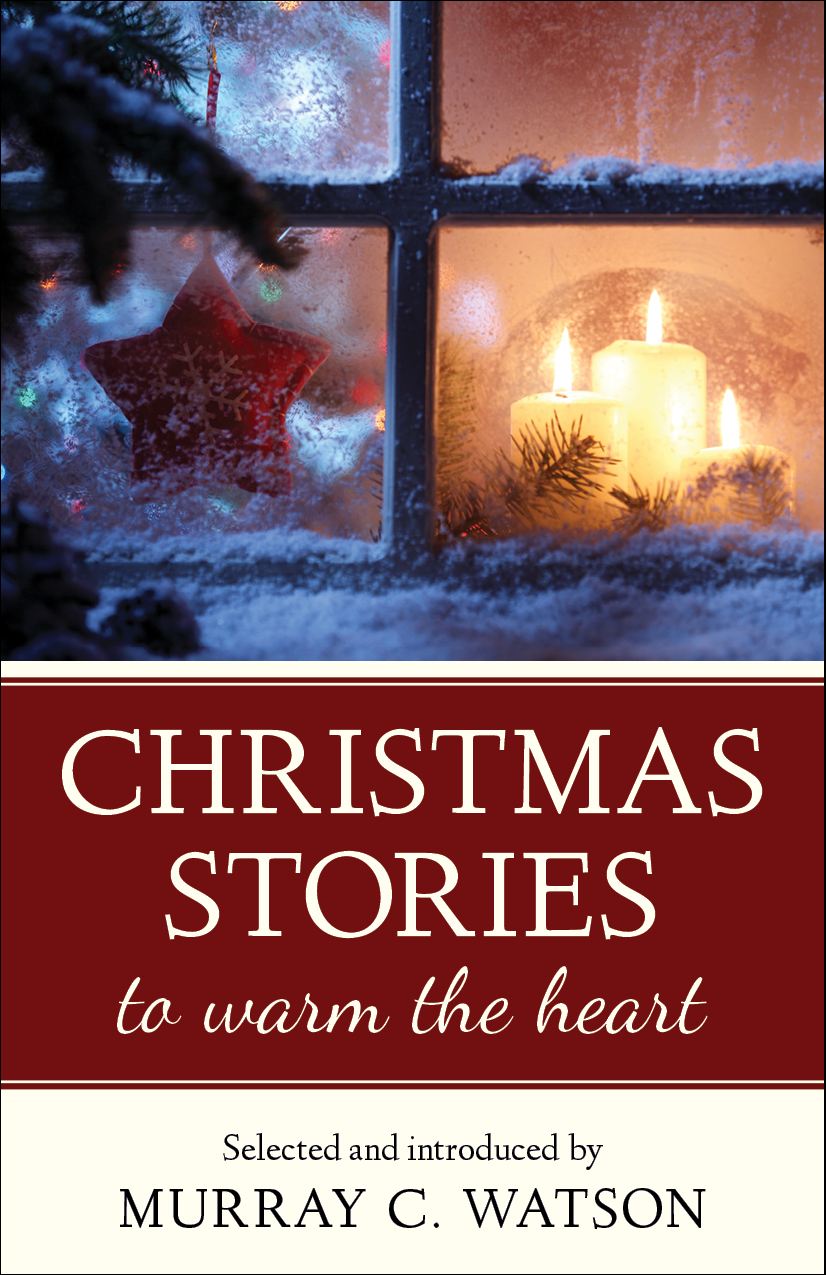
“This is not your regular collection of Christmas stories. We often choose a heartwarming Christmas book because of its perceived ability to make us feel upbeat and Christmas-y. However, these classics delve into the mystery hidden beneath the celebration — the struggle between disinterest and love, between self-absorption and sacrifice.
Christmas Stories to Warm the Heart will also feed your soul, and help you experience and share the mystery and magic of Christmas.”
– DEBRA DUPREY, author of February Farm and One of Many Perfect Christmas Stories
Murray says, “This little book contains some of my favourite Christmas stories. I say ‘some’ because including them all would have made a big book. Some of us have heard of ‘The Twelve Days of Christmas.’ For me, this book contains The Twelve Stories of Christmas.”
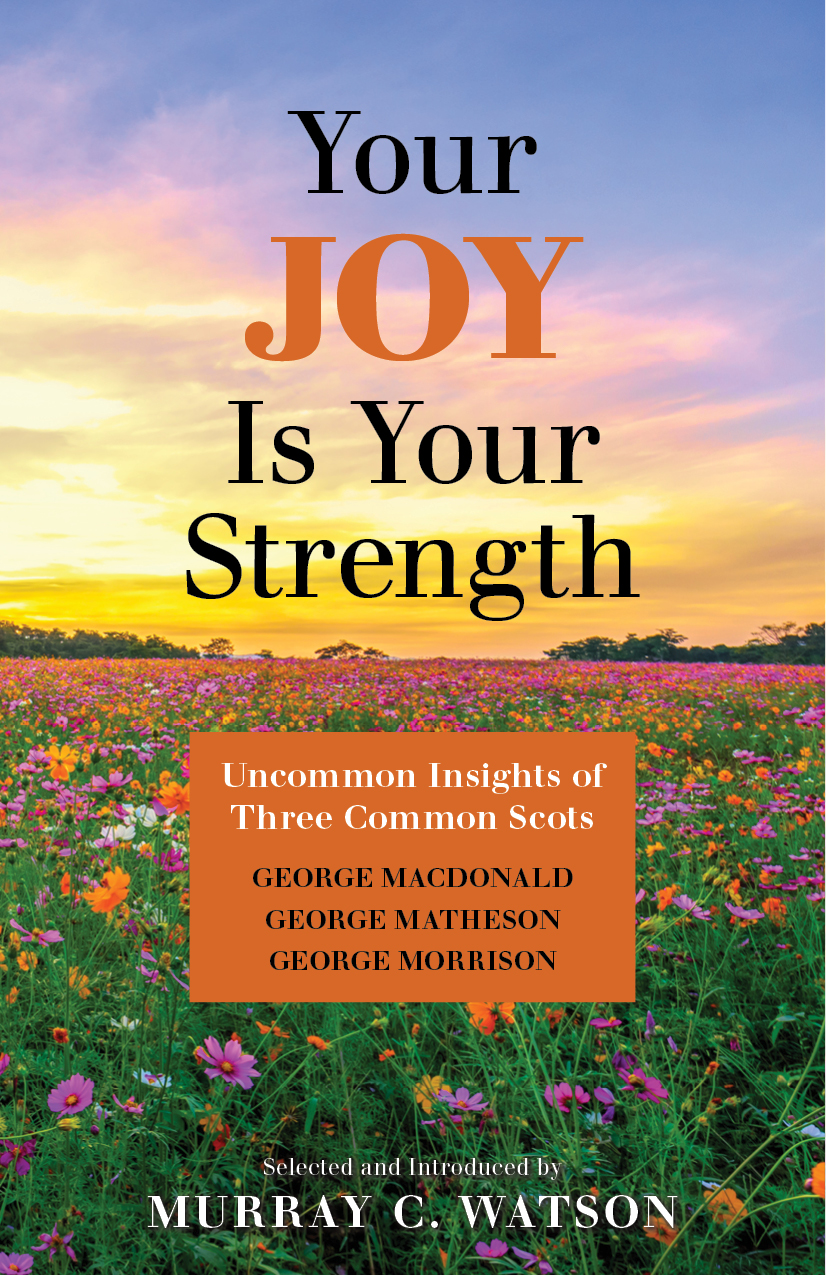
This book highlights the thoughts of three unique Scots from the 19th century — all memorable ministers and prolific writers, all with the Christian name George and surname beginning with M, and all having eyes to see treasure buried in a field. All would say that physical wellness stems from joy and peace of mind. But how does one obtain peace and joy? I think this book, quoting the fantasies, sermons, and novels of our three friends, holds the answer to that important question.
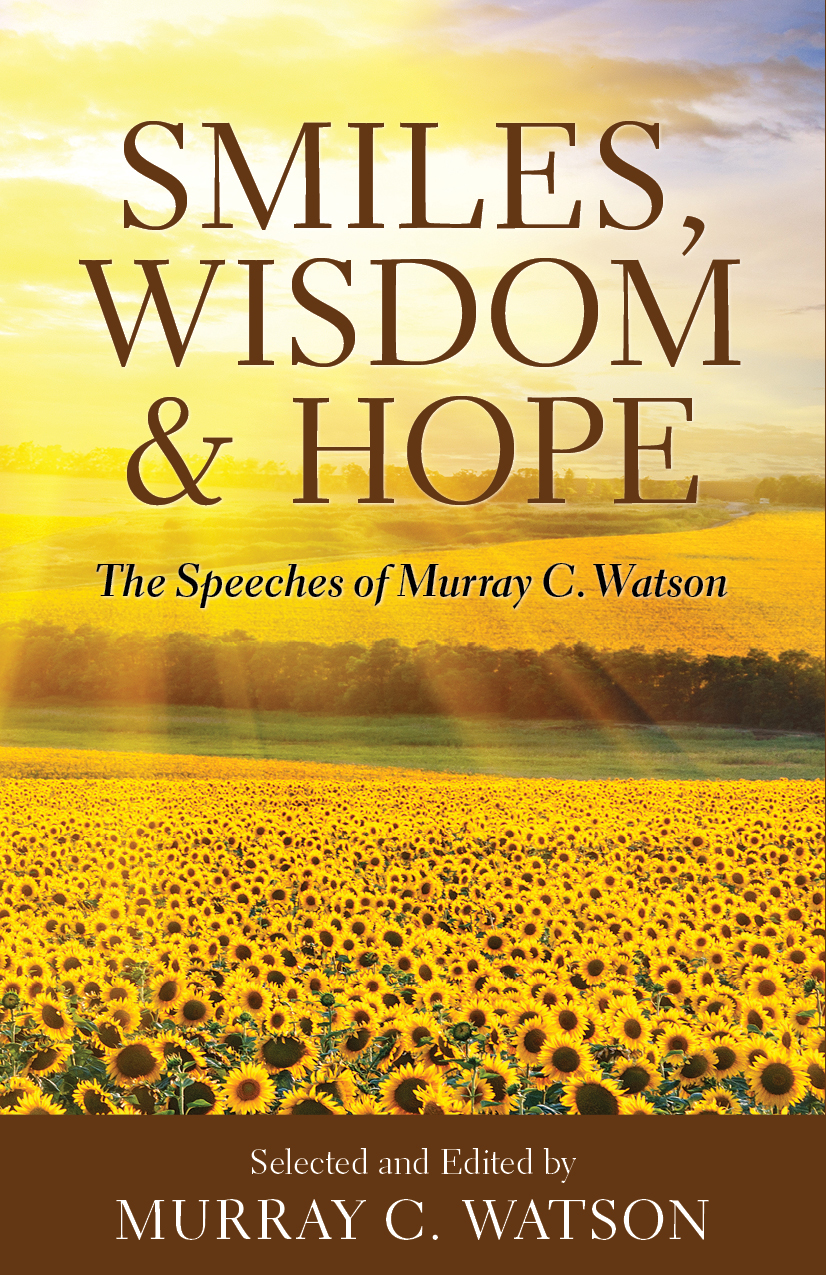
Over the last ten years, these fifteen speeches have been the substance of Murray’s nearly five hundred presentations. They’ve been heard by diverse audiences large and small, from Gananoque to Niagara Falls, from Toronto to North Bay. Among them all, the reader is likely to find what the title says, and maybe what we all need on the road of life — smiles, wisdom and hope.
“Your speeches are so inspirational, and you leave your audiences in good spirits and joy.”
– DEBBIE ANUNZIATA, Fort Erie
“When it comes to credibility, you’ve got it in spades.”
– TERRY CHURCH, St. Catharines
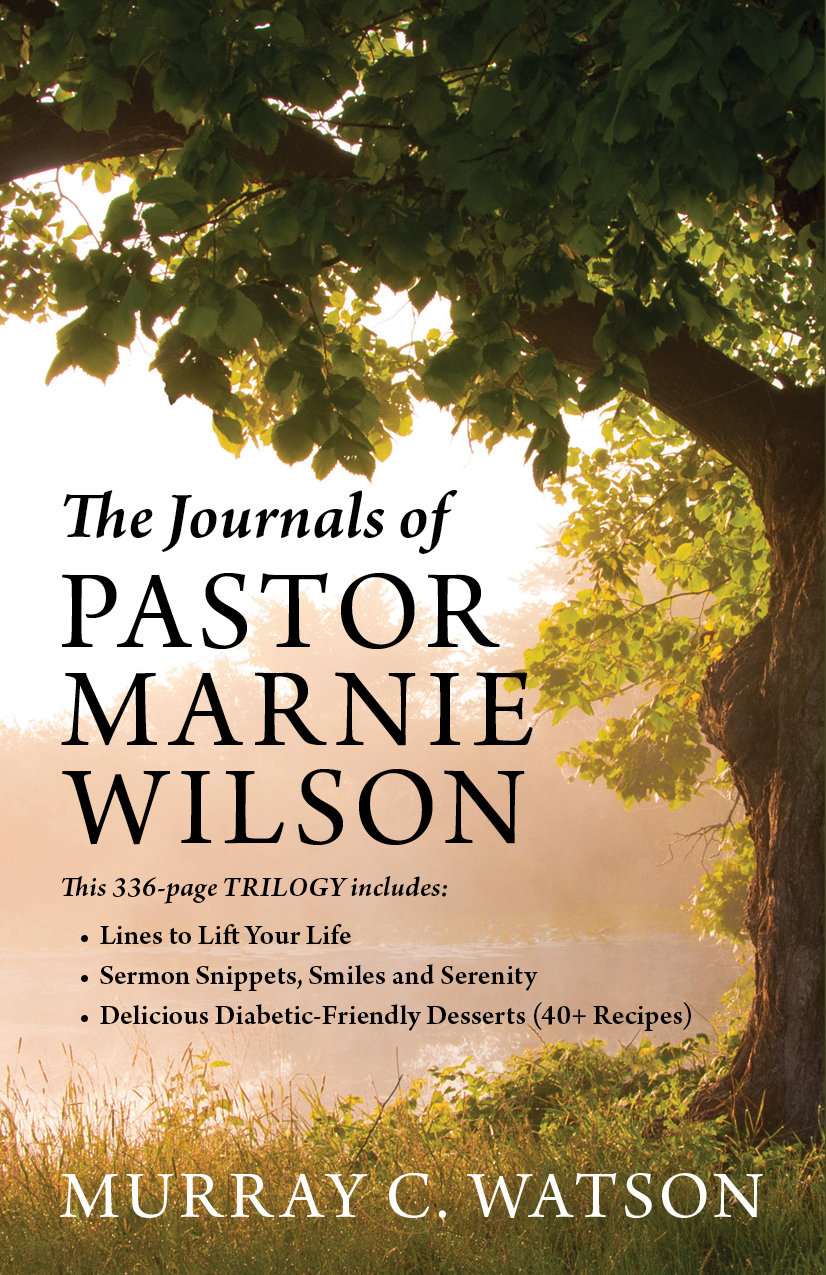
This book is the private journal, or treasure collection, of Pastor Marnie Wilson from the fictional town of Givlok, Ontario. Among its contents are timeless thoughts, sermon snippets, and a raft of recipes (that combine health and mouth-watering taste).
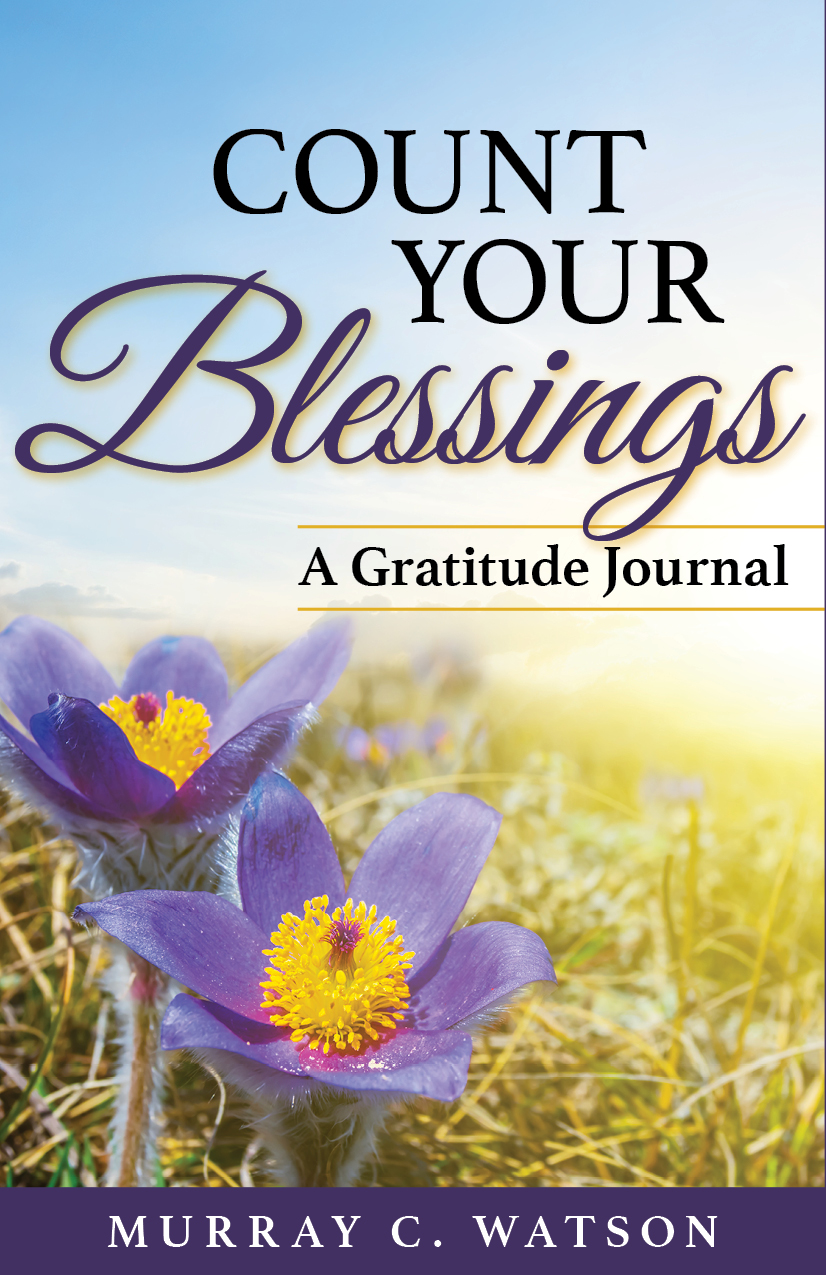
The author says, “This book is designed to hold good news. People who actually record their blessings in a numbered list are often surprised they have an abundance. By writing, reading and, if possible, sharing aloud your journal entries, you will be nurturing the attitude of gratitude, a key to happiness.”
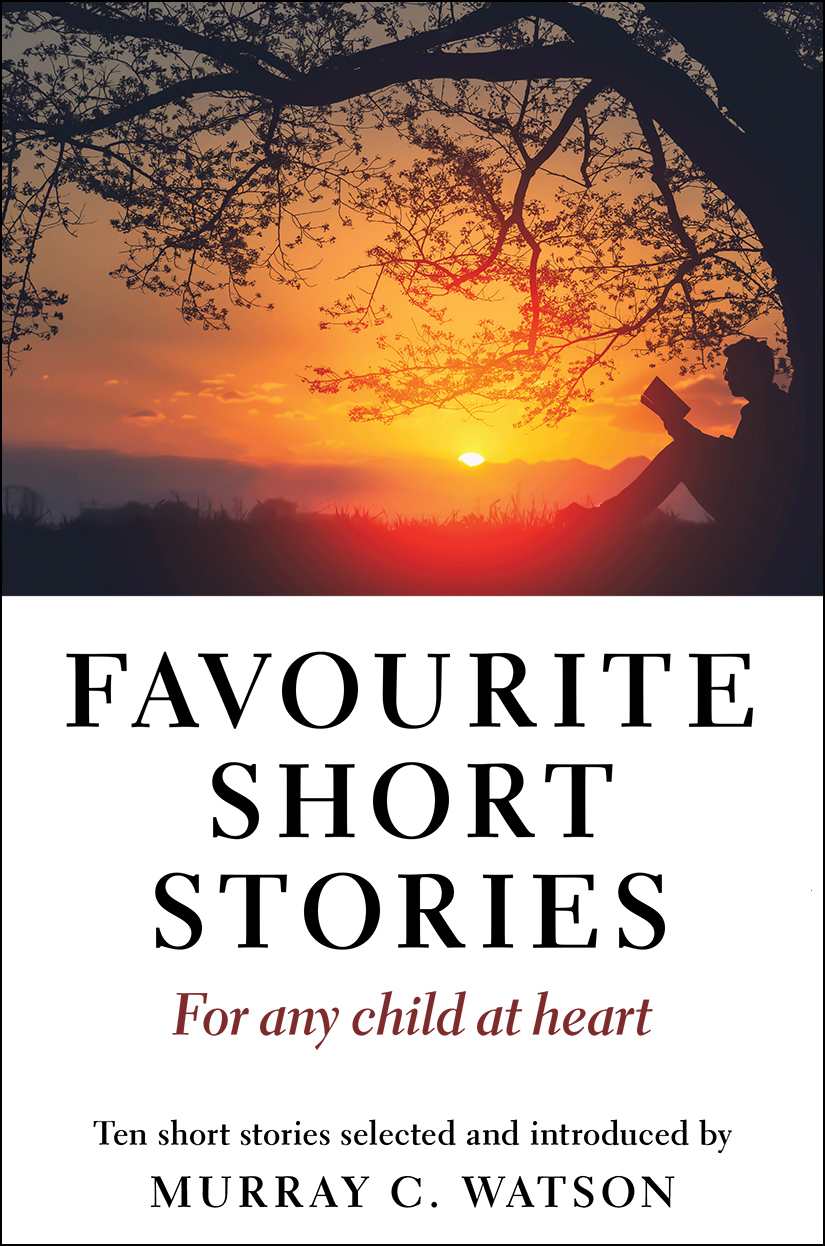
Ten timeless tales from Rabindranath Tagore in India, Oscar Wilde in Ireland, an unknown author in Persia, Leo Tolstoy and Arthur Ransome in Russia, Nathaniel Hawthorne, Raymond Alden and Mark Twain in the United States, and Murray Watson in Canada. The book’s author says, “About them all — fiction though they are — there seems to be something true, gripping, and lasting.”
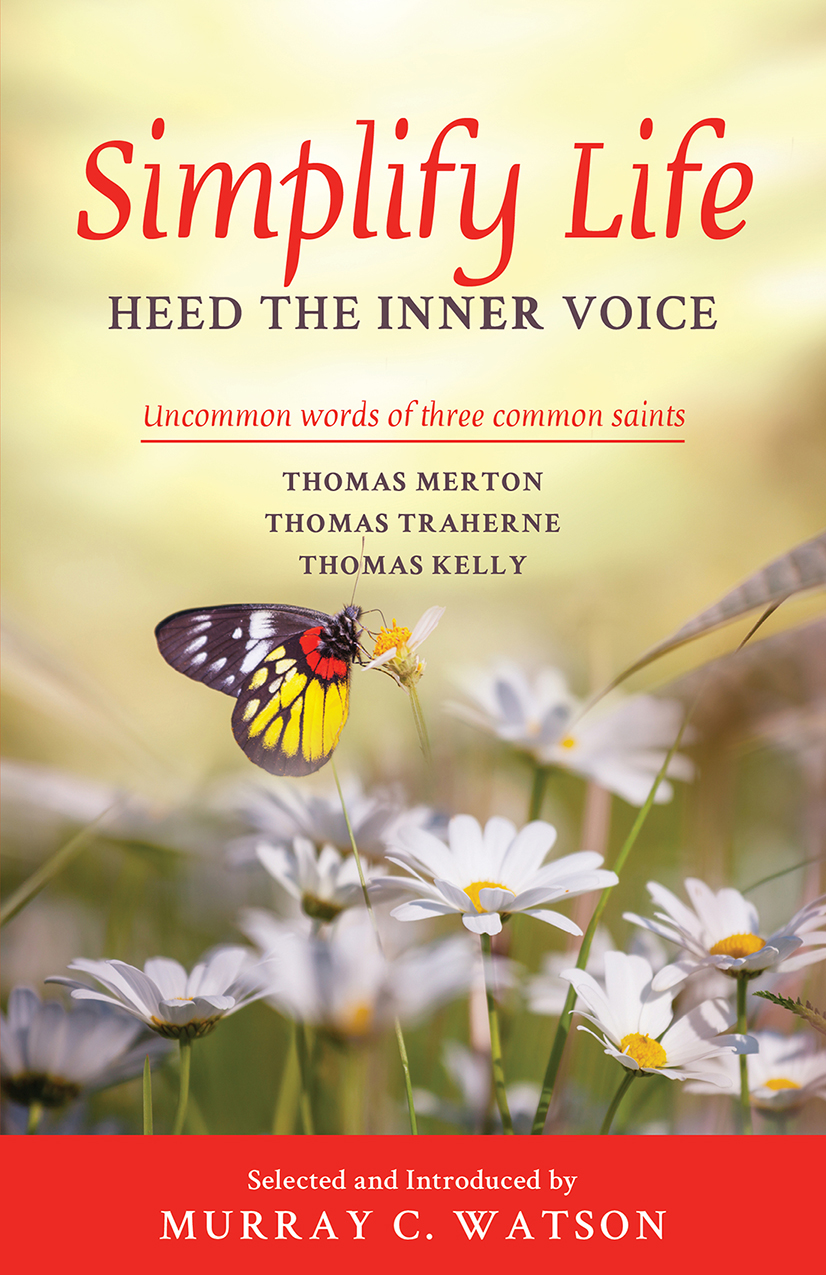
How to avoid or handle complications ‘in the noisy confusion of life’ by obeying the gentle unerring Voice inside. It quotes ‘mystics’ in Anglican, Quaker (The Religious Society of Friends), and Roman Catholic traditions.
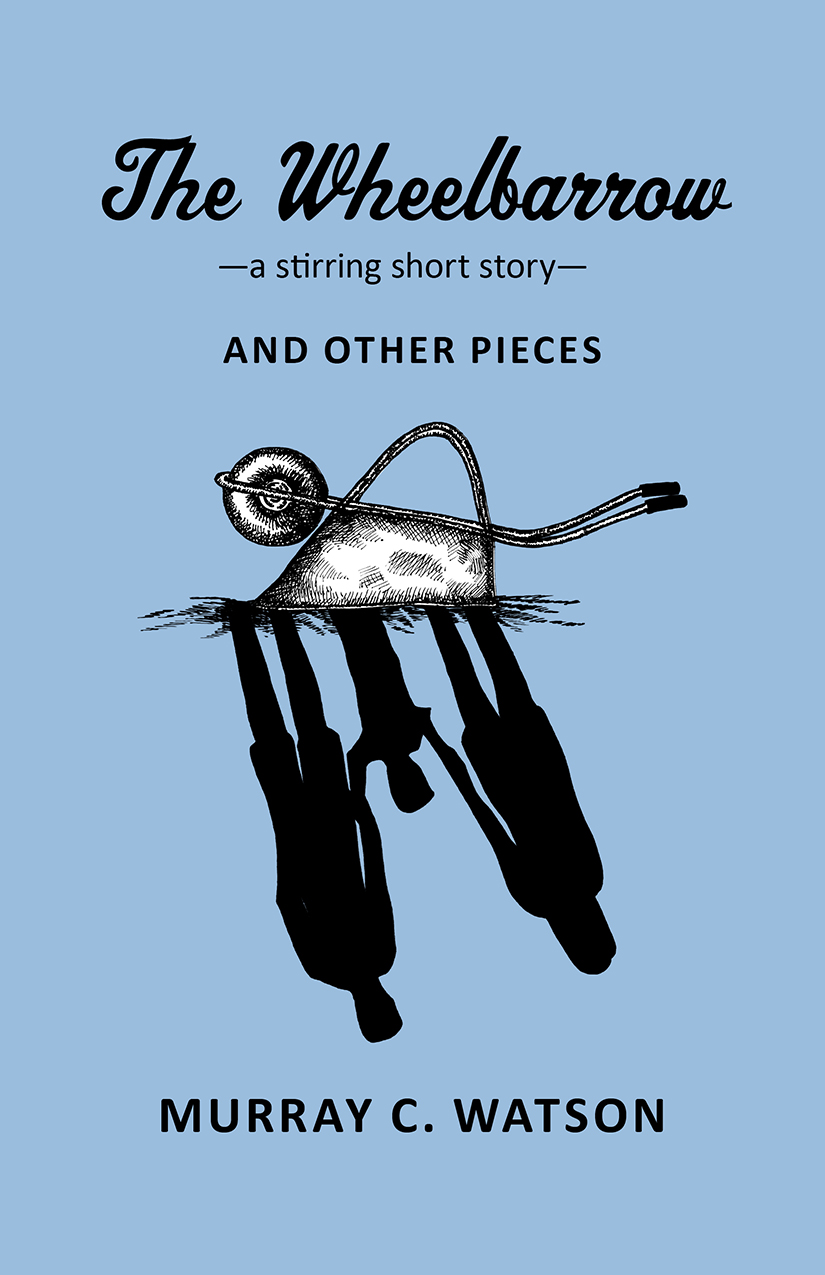
“Your short story is beautifully written…. Such simple words, yet a powerful story and delivery. There were tears in my eyes.”
– audience member at Keynote Speakers Club, General Hospital, Toronto
“It is the kind of story that makes you want to be a better person.”
– MELANIE DUNFORD-ELLIOTT (ME Originals), Trent River
“An incredibly inspiring speech!!! You have a way of mesmerizing the audience with your voice…. Brilliant word usage.”
– GOVERNOR MICHAEL WILSON, Toastmasters International Speech and Evaluation Contest (Area 75, March 2014), Toronto
Contact Murray if you would like him to present this touching, uplifting story to your group free-of-charge.
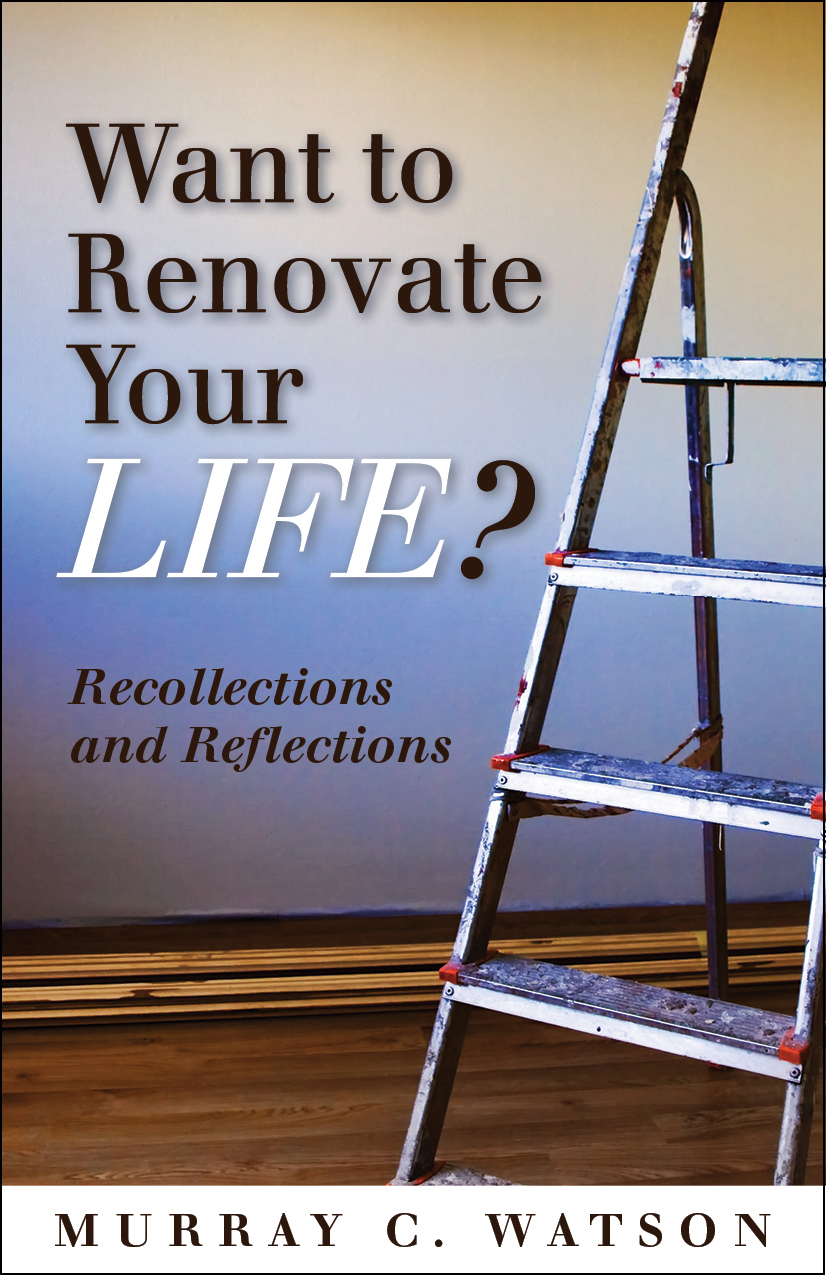
The author says, “My plan was to write a little devotional book of meditations paralleling Jesus’ 40 days in the wilderness. Although there are now more, each begins with a verse from the Bible and ends with a short prayer. What lies between has something to do with renovating — improving — our day-to-day lives. They include memories of my children, a few lessons life has taught me, and some confessions of my own (there wouldn’t be room for anyone else’s!).”
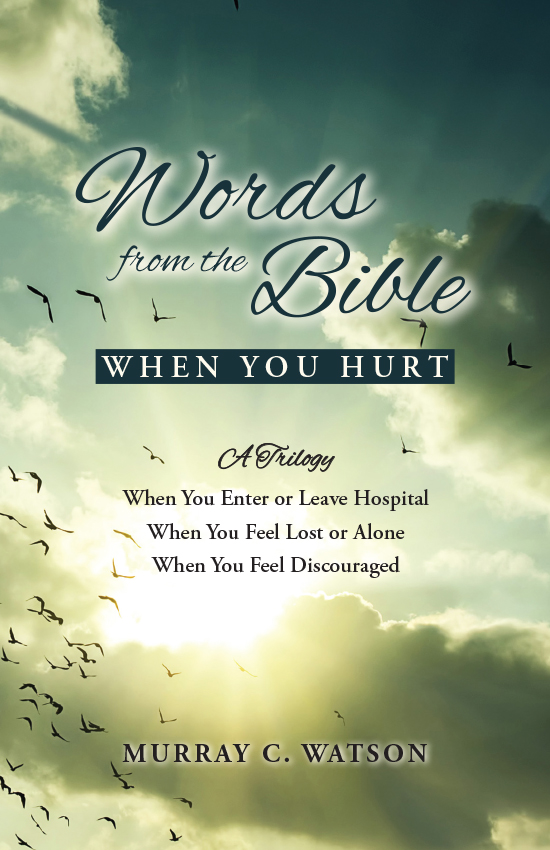
Murray says, “Do you, or does someone you know, ever feel a need for comfort as you enter or leave hospital? Do you ever feel lost or alone? Discouraged?” This book is intended to convey comfort, guidance, and courage from the Bible as we face life’s difficulties.
Words from the Bible When You Hurt: A Trilogy, was once three smaller books. I wrote them in 1997 on different occasions. I wrote Words from the Bible As You Enter or Leave Hospital when I was unable to find the card I wanted when my wife was entering hospital. The other two followed.
This year (2013), I decided to publish them together. Now readers have all three at their finger-tips. For often the same individual who is feeling fear on entering or leaving hospital, may also be feeling lost or alone, or discouraged.”
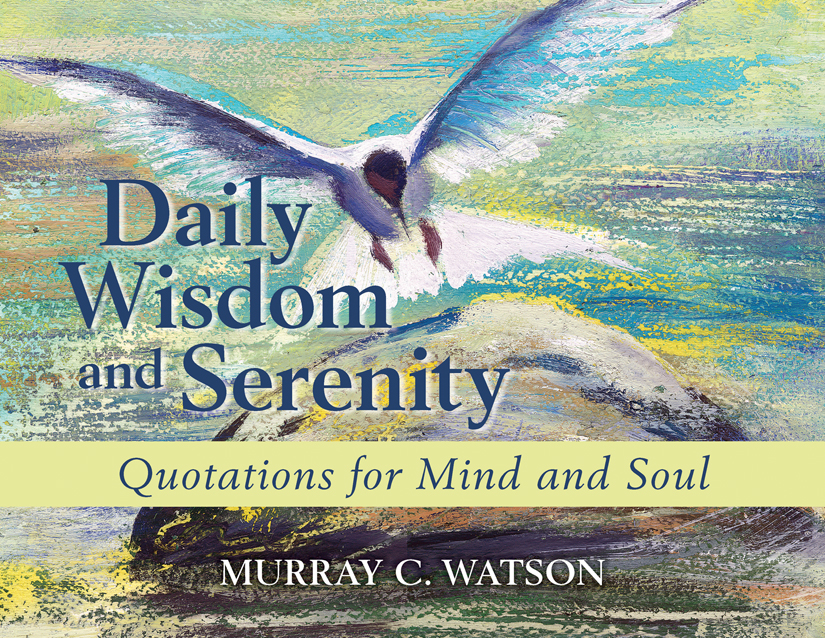
“I read it in one sitting — loved the quotes. I would like to pass it along to my Aunt Floss. She is 96 and a member of a really active church in Brantford. I am going to suggest they have you come and speak.”
– JUDY SUKE (Triangle Seminars), Motivational Humorist, Manuscript Developer and Author, College Professor
Murray says, “It turns out that this is my second book of quotations. You may well ask ‘Why?’ After I published my first book — Smiles, Wisdom, and Encouragement: Quotations with Personal Commentary to Lift Your Life — I soon had come across many more pieces I wished I had included. The number kept growing until I knew I would have to do something about it. This calendar-book is that something. Like George MacDonald’s Diary of an Old Soul, it contains 365 pieces — one for each day of the year. Unlike MacDonald’s (which is his own poetry), the good stuff in mine is written by others.”

“Murray, I want to compliment you…. I’ve been battling a medical problem, and have to go into hospital tomorrow, and I haven’t been able to put your book down.”
– LES GROVES (Mr. Hardware), Speaker, Peterborough
Murray says, “This book is about my own experience, about an ancient remedy with no side-effects, a way up for the weighed down, opening your hand to others to open the door out for yourself.”
“I’d like a copy of this book…. Anything to help the Universe.”
– ALVIN PETTLE, M.D. FRCS (C) Author of Rx / My Prescription for Life
Murray says, “This is a collection of inspiration, smiles and spiritual wisdom from ancient to modern times, complemented by unique personal commentary from a present-day ‘philosopher’ who is also an inspirational speaker.”
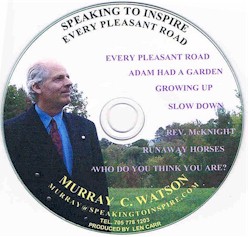
CDs by Murray C. Watson
Click here to listen to some sample Speech Audio Clips:
Speech Sample 1
Speech Sample 2
Speech Sample 3
Hello Mr. Watson.
My name is Bernadette Piche-Proulx and I am Felicite Piche-Blaney’s mom. I want to thank you for your consideration of her sketch for “The Wheelbarrow”. She was quite excited to hear that her sketch will be your book cover. I want to let you know that your story is quite touching and uplifting. She didn’t tell you, however her precious grandmother (my mom) had a debilitating stroke March 29th of this year and is left without her right side. She also has lost her speech. My mother, Eva Piche, was the storyteller of the family and was in the process of telling Fe about her life and all the trials and tribulations that occurred during the Great Depression. Fe was writing this down to illustrate later on once she had enough material. Needless to say, Fe will need to rely on what she has and what I can remember. We will be visiting Mom in Cornwall in the next two weeks and Fe is very excited to show “Mere” what she has accomplished and to let her know she will still be journaling her story. We are all very proud of her and I can’t thank you enough…..
Bernadette Piche-Proulx
B.A. B.Ed
OCT
Hi Murray,
You are wonderful!
I wish i had your ‘stamina’…. is it contagious? can i get it????
I am anxious to read ALL your books and to ‘discuss’ with you all the details….!!!!….Then we write another book “MAKE FRIENDS EASY!”
I send you something about me in an e-mail.
See you soon!
antonietta